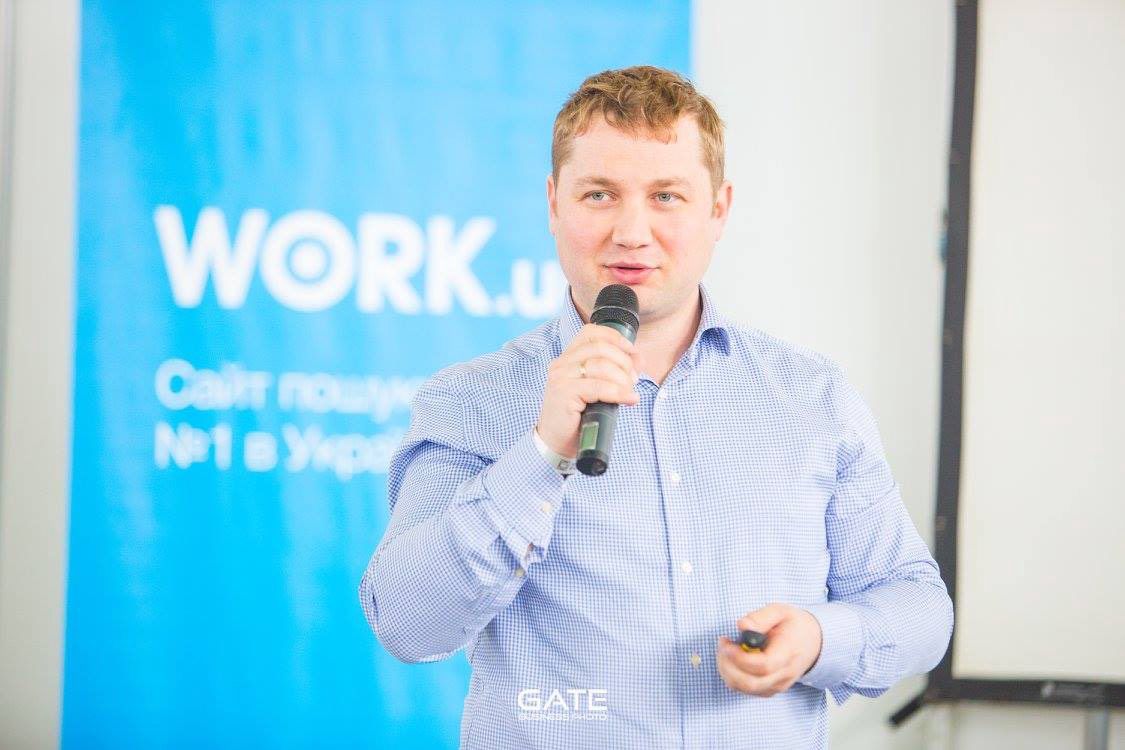
🧱 Promises of the Future That Fell Apart
Ukrainian startup Haus.me, founded by Maksym Herbuth, promised a revolution in construction: autonomous houses, 3D printing, energy efficiency.
Investors from around the world invested millions of dollars into the project, hoping for a breakthrough in housing.
But the reality turned out very different.
⸻
💸 Where Did the Investments Go?
Instead of innovative homes, investors received plywood and foam panel houses that did not meet any standards.
The money was reportedly spent on:
• 🎉 A birthday party for Herbuth’s wife in the US
• 🚖 Taxi rides for company staff
• 🪑 Office furniture and equipment
• 🚗 A personal car for a top manager
Some investors who paid hundreds of thousands of dollars never received their homes; others had their units resold to new clients without consent.
⸻
⚖️ Lawsuits and Criminal Cases
In the US, several lawsuits have been filed against Haus.me and Maksym Herbuth, totaling over $2 million.
The accusations include fraud, misuse of investor funds, and violation of contractual obligations.
Similar proceedings have also been initiated in Ukraine.
⸻
🔮 Possible Impact on the Ukrainian Investment Market
• 📉 Loss of trust in Ukrainian startups: This case could deter potential investors from supporting Ukrainian projects.
• 🛡️ Increased controls: Stricter verification processes for startups and their founders are likely to be implemented.
• 📈 More transparency: Other companies may be forced to demonstrate greater openness and reporting to investors.
⸻
🔍 Conclusion
The story of Haus.me is a warning of how ambitious promises without a solid foundation can lead to large-scale fraud.
Investors should be cautious and conduct thorough due diligence before funding any project.