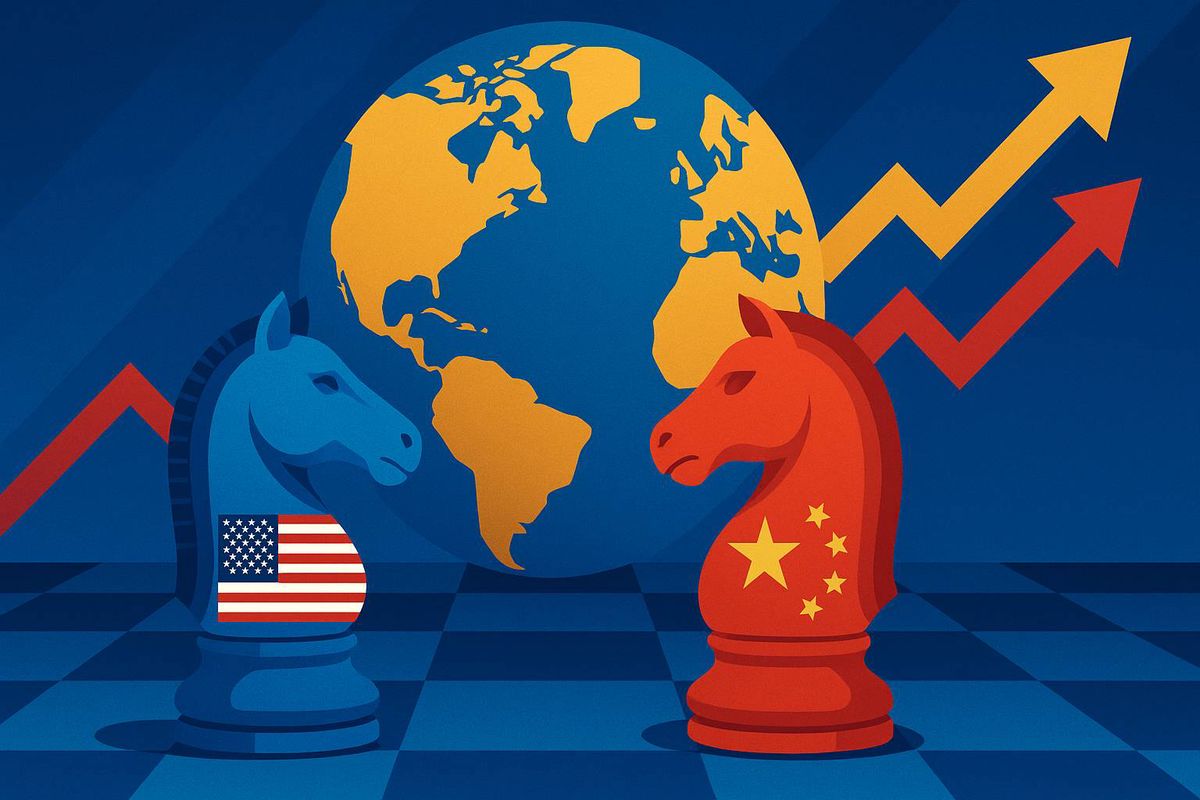
🇺🇸 Key Conclusions on Economic Implications for the U.S. and the World
1. Foreign Assistance Cuts and Global Influence
Key Discussion: Senator Shaheen criticized the Trump administration’s drastic cuts to foreign assistance programs (83%), arguing these weaken U.S. competition with China. She noted China’s increased diplomatic budget (+8.4%) and its efforts to replace U.S. influence in Africa and Asia. Secretary Rubio responded that the U.S. remains the largest global aid donor, exceeding the next 10 countries combined, and is reforming aid to increase efficiency, labeling China’s approach as "predatory lending" rather than humanitarian aid.
Economic Impact: Reducing U.S. foreign assistance could weaken American soft power, allowing China to expand its economic influence in developing regions. This could limit American companies' market access, altering global trade patterns. However, a more targeted aid strategy could enhance effectiveness if successful.
2. Trade Policies and Tariffs
Key Discussion: Senator Shaheen highlighted tariff burdens, citing a New Hampshire company facing increased steel lead times from 20 weeks to 2.5 years due to steel tariffs, and a total tariff rate of 17.8%, the highest since 1934, costing households $2,800 annually. Secretary Rubio defended tariffs as necessary responses to China's unfair trade practices, especially in rare earth minerals and pharmaceuticals.
Economic Impact: Tariffs increase costs for American businesses and consumers, potentially slowing U.S. economic growth. However, tariffs aim to protect American industries and reduce dependence on China, potentially strengthening long-term economic security.
3. Energy and Critical Resources
Key Discussion: Senator Ricketts and Secretary Rubio emphasized energy security, highlighting China's dominance in rare earth minerals processing as a global supply chain risk. They discussed enhancing U.S. energy exports (e.g., LNG to Europe) to counter potential Chinese actions, such as an energy blockade of Taiwan.
Economic Impact: Control of critical resources is essential for economic stability. U.S. efforts to boost energy exports could improve economic resilience but require substantial investment.
4. National Debt and Fiscal Responsibility
Key Discussion: Senator Risch expressed concern over the growing U.S. national debt, noting the deficit reaches a trillion dollars every 150 days. Senator Shaheen pointed out that despite promises to cut spending, federal expenditures rose by $200 billion in the administration’s first 100 days.
Economic Impact: Rising debt could increase interest rates and reduce investor confidence, slowing economic growth.
5. Regional Stability and Security
Key Discussion: Discussions focused on stabilizing regions such as Syria (via sanctions relief), Ukraine (peace negotiations), and the Middle East (countering Iran’s nuclear ambitions). Rubio emphasized that stability could reduce conflicts and refugee crises, creating economic opportunities.
Economic Impact: Stability could open new investment markets and reduce global risks. However, ongoing conflicts may continue to increase instability.
📌 Conclusions on Investment Climate
United States: Mixed
✅ Positive: national security, energy independence, fiscal responsibility.
⚠️ Negative: tariffs, reduced global influence.
Global: Cautiously Optimistic
✅ Positive: regional stabilization, reformed aid.
⚠️ Negative: China's rising influence, trade conflicts.